Using MFA for HTTP/HTTPS Proxy
Single Connect’s built-in MFA can be used as an enhanced security level for HTTP proxies. When opening a web browser, the user is asked for their Single Connect credentials to connect to the HTTP Proxy. After the successful log in, and if MFA is activated for HTTP Proxy, an MFA token is required. When using the Single Connect Desktop Client, the MFA token is required when the user opens the webpage. To enable MFA for HTTP Proxy:
- Pre-requisite: Admin and users have the QR code, installed the Single Connect mobile app, scanned the QR code with the mobile app, and OTP is enabled for the user group that will be using MFA for HTTP connections. (See sections Sending MFA QR Codes to Users, Creating a Connection Between Single Connect and the Single Connect Mobile Application, Enabling One-Time Password (OTP) )
- Establish an SSH connection to Single Connect as the root user.
- Edit the “proxy.properties” file with the command: vi /u01/http-proxy/conf/http_proxy.properties Check the configuration file to see if the parameter below is already configured in it. If not, add the lines below. If there is a hash (#) sign in front of the parameters, delete the hash (#) sign to activate the parameter. If the parameter value is “false”, change it to “true”. To type or add anything in the vi editor, first press the Insert button on the keyboard, then type in the necessary line. Press Esc to exit typing mode. To save the file press Esc, then a colon (:), type in “wq!” and press Enter. If you do not want to save the changes to the file, press Esc, then a colon (:), then type in “q!” and press Enter. http.proxy.otp.enabled=true If you wish to define the cache time, also set the parameter below. If not set, the cache time default value is 300 seconds. http.proxy.otp.cache.seconds=120
- Restart the HTTP Proxy with the command: systemctl restart http_prox
After these steps, OTP will be required at the next HTTP Proxy log in.
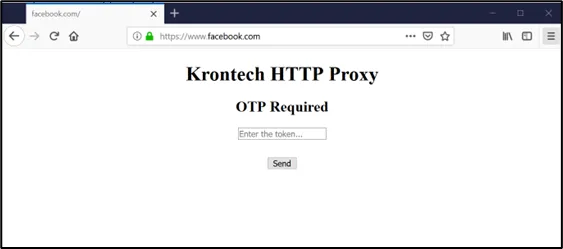
Enabling MFA for Website Access